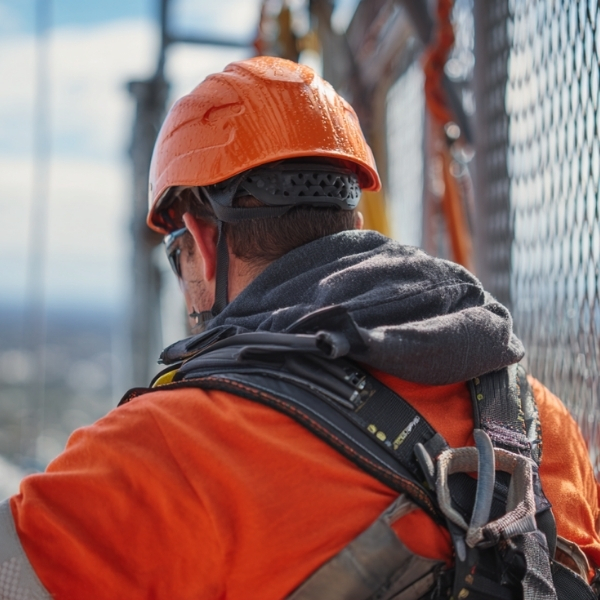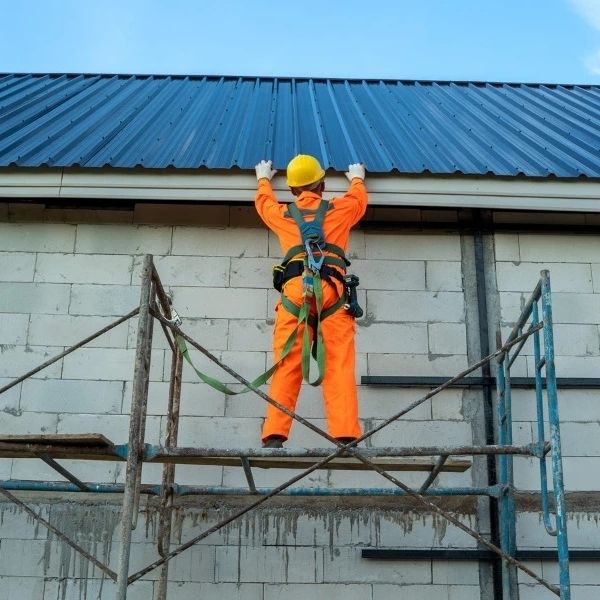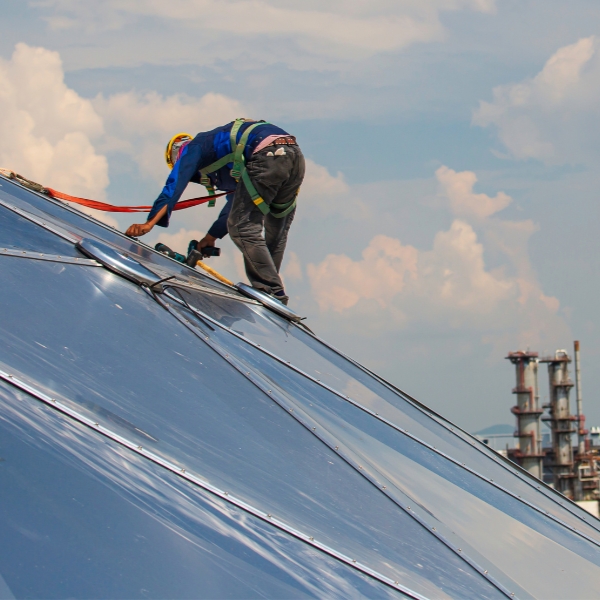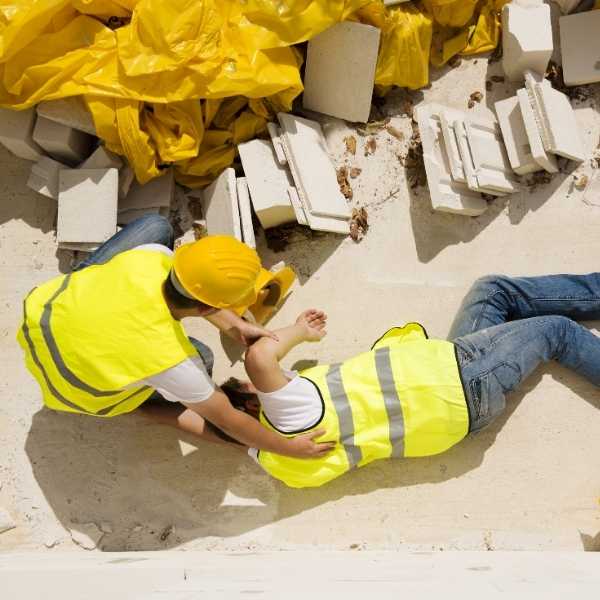
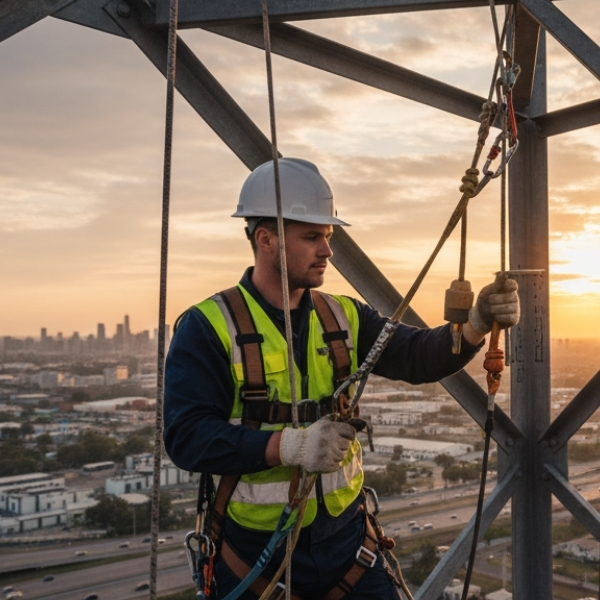
Every year in Australia, falls from heights are a tragic cause of serious injuries and fatalities in the workplace. Safe Work Australia data consistently shows falls as one of the leading causes of serious injury claims.
Aegis Sales & Service
Looking after YOUR Safety
Every year in Australia, falls from heights are a tragic cause of serious injuries and fatalities in the workplace. Safe Work Australia data consistently shows falls as one of the leading causes of serious injury claims.
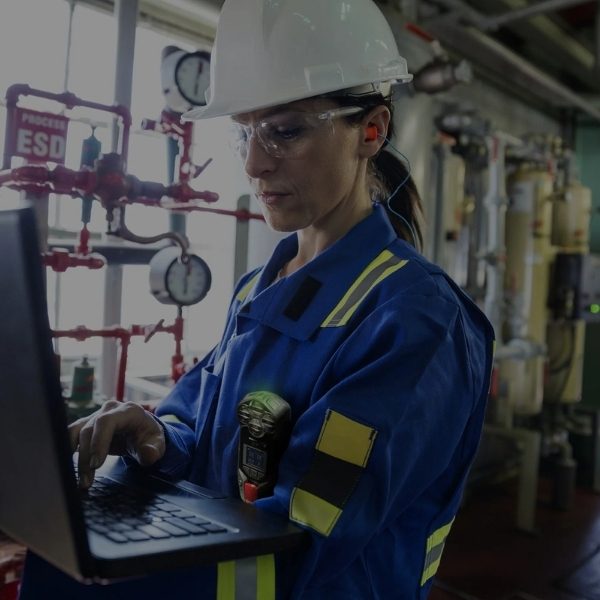
The number of individuals engaged in lone working across various sectors is steadily increasing. From field service technicians and healthcare professionals to security personnel and construction workers, a significant portion of the global workforce now operates independently. This introduces a unique set of safety challenges that demand proactive and innovative solutions.
Working at heights is unavoidable in some industries, including construction, telecommunications, maintenance, and warehousing. The risks associated with such tasks are profound and demand an unwavering commitment to safety.
Lone workers are exposed to unique risks that require careful consideration. From remote areas to urban job sites, these workers often operate in environments where immediate assistance may not be readily available, making a structured risk assessment essential.
Whether you manage remote mining sites, manufacturing facilities, or construction sites, conducting a thorough lone worker risk assessment is crucial.
Working at height is one of the most hazardous tasks in the workplace. Without the right working at heights equipment, the risk of serious injury or fatality increases dramatically.
Whether on rooftops, towers, platforms, or construction sites, ensuring the safety of workers operating above ground level is a legal and moral priority.
Every day, thousands of lone workers face similar risks, working in isolation without immediate access to help when things go wrong. The difference between life and death for lone workers often comes down to minutes, sometimes seconds.
Workplace safety for isolated employees isn't just about following regulations. It's about connecting workers to a safety network that never sleeps.
Workplace Health and Safety (WHS) compliance is vital for keeping workers safe and meeting legal responsibilities in Australia. It helps prevent injuries, reduces risks and creates a safer work environment.
In the past two decades (2003 - 2023), work-related fatalities in Australia have dropped from 259 to 200. While this is a welcome decline, there is still room for improvement.
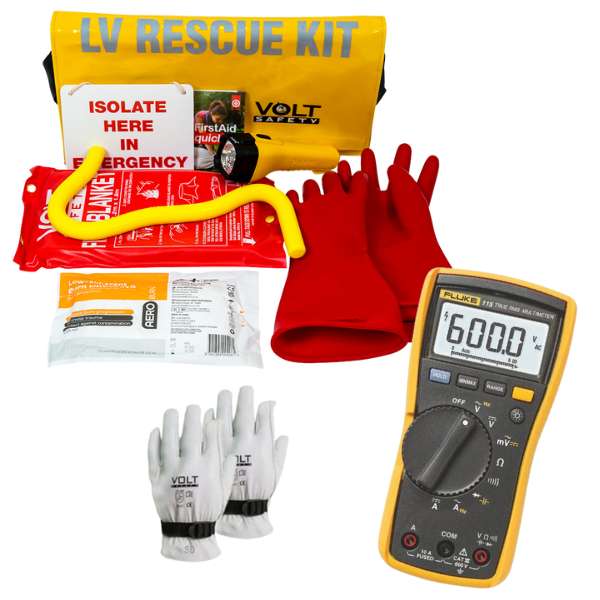
Top 5 Reasons for the Importance of Regular Electrical Safety Equipment Testing.
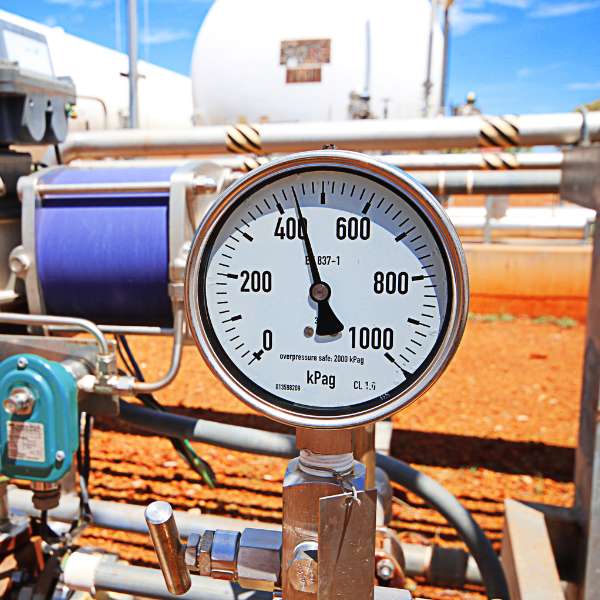
Pressure gauges are critical components in various industries, from manufacturing and oil & gas to pharmaceuticals, Defence, Aviation and food production. They help ensure that processes are running smoothly and safely by providing real-time pressure data.
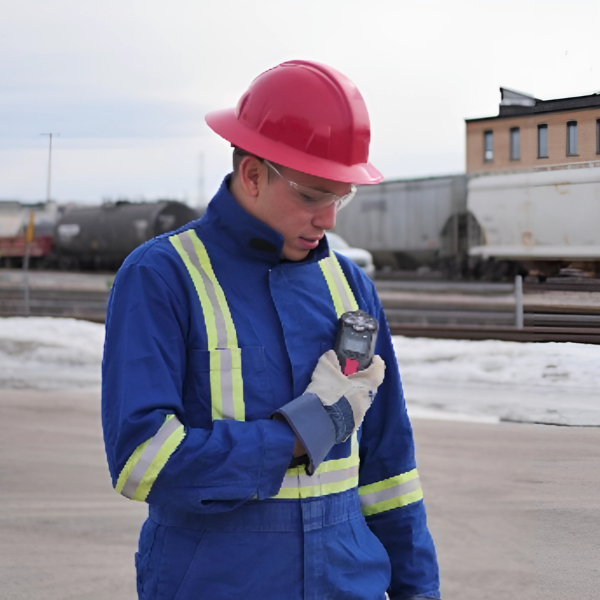
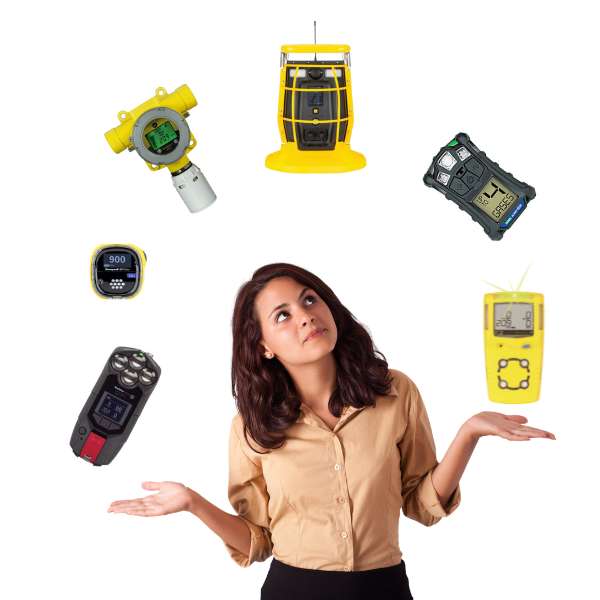
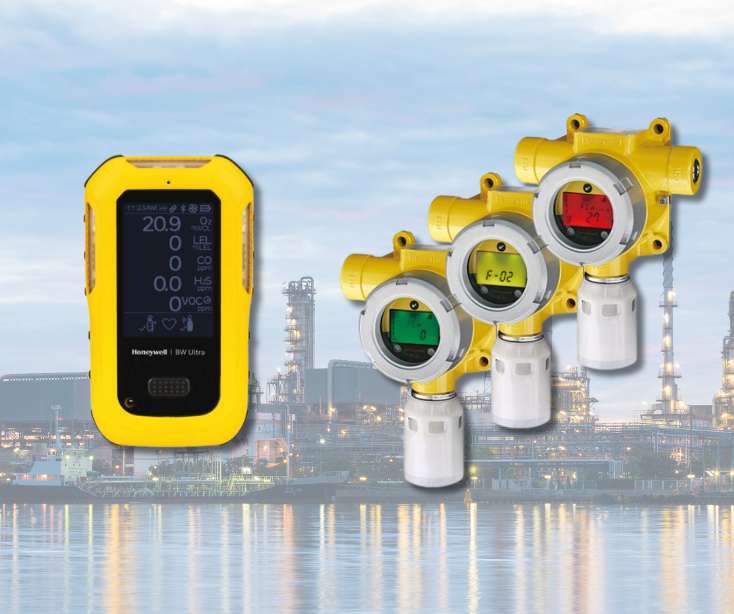
Choosing the right gas detector for your application involves a few key considerations to ensure your safety and compliance. Here are some steps to guide you:
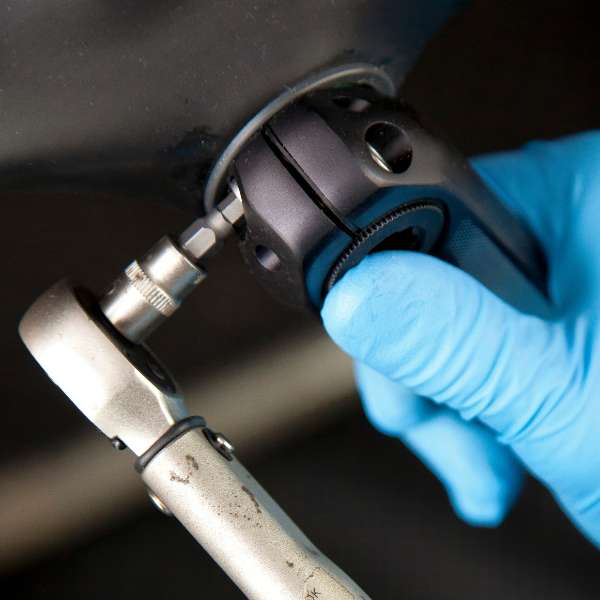
Should you Calibrate Your Torque Wrench? No matter the industry you work in, looking after your tools of trade can not only help with productivity and safety there are also financial benefits to your business.
The top 5 reasons why you should have your torque wrench calibrated on a regular basis:
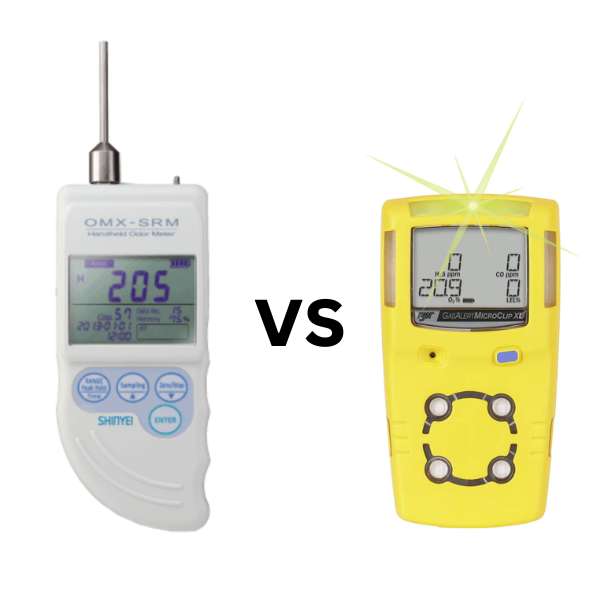
Do odour meters and gas detectors serve different purposes ... YES!
Odor meters and gas detectors, while both used for environmental monitoring, have some key differences.
Drinking alcohol has become a social norm throughout Australia, being passed on through most generations as a rite of passage into adulthood. Even with its inherited link to social occasions and fun, it can have very damaging effects in the short and long term if it is not consumed in moderation.
It is essential to take proper care of your breathalyser to avoid unnecessary problems. Below are some guidelines you must follow to ensure your breathalyser continues to work without any problems. If the unit is being used incorrectly, calibration may be required earlier than specified.
Is there a difference between a Helmet and a Hard Hat? The short answer is 'Yes' a helmet offers a better fit and more protection than a hard hat. While both are used for head protection traditionally hard hats are used within a working environment like construction, while a helmet has been used for head protection in sporting applications.