Aegis Sales & Service
Looking after YOUR Safety
Workers rely on gas detectors every day to keep themselves safe from unseen hazards. One inaccurate reading could mean the difference between a typical shift and a serious incident.
Some view calibration as just a regular maintenance task, which is a mistake. In reality, it’s a critical safety practice.
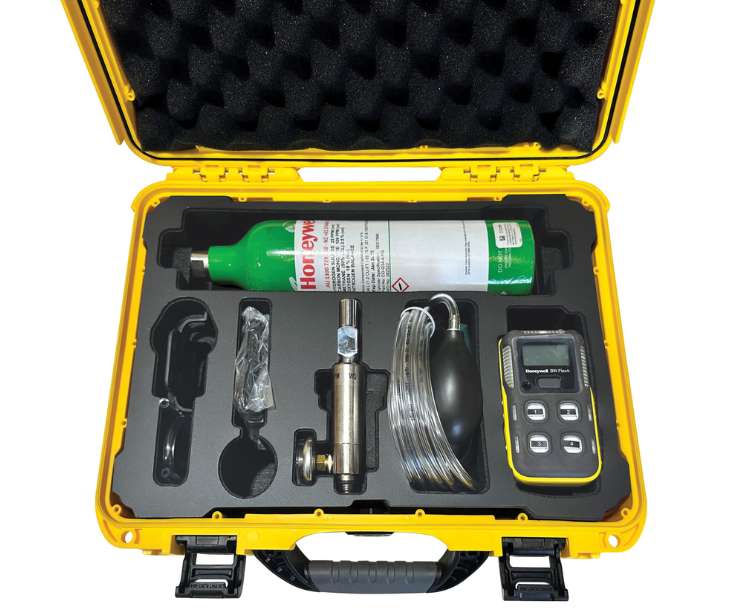
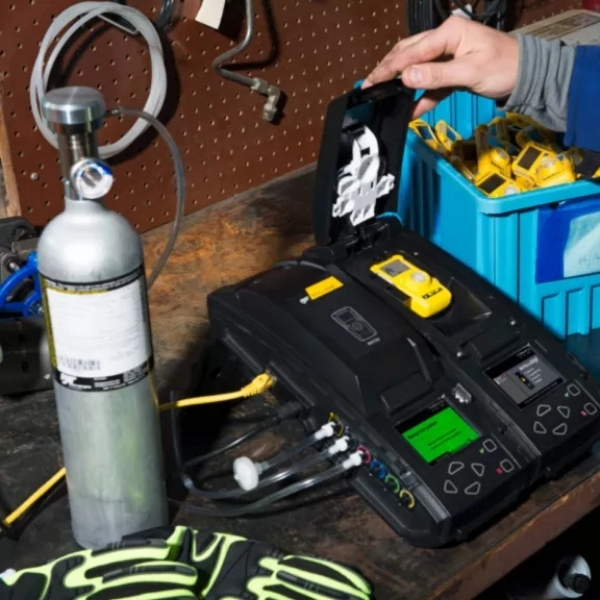
Gas detector calibration ensures your equipment delivers accurate and reliable readings when it matters most. Even a high-quality detector can drift out of accuracy over time due to sensor wear, environmental conditions, or regular use.
Falls from height are a leading safety challenge in Australian workplaces, whether on a construction site, in an industrial facility, or on a maintenance platform.
Every year, incidents involving falls from height result in serious injuries, fatalities, and substantial business costs. Most of these accidents are preventable with the right planning, equipment, and safety culture in place.
In this article, we’ll outline 10 essential safety tips for working at heights.
Working at height is one of the most hazardous workplace tasks. Without the right equipment, the risk of a serious injury or even death rises dramatically.
Ensuring the safety of workers at height is a legal and moral priority. This includes those on rooftops, towers, platforms, or at construction sites.
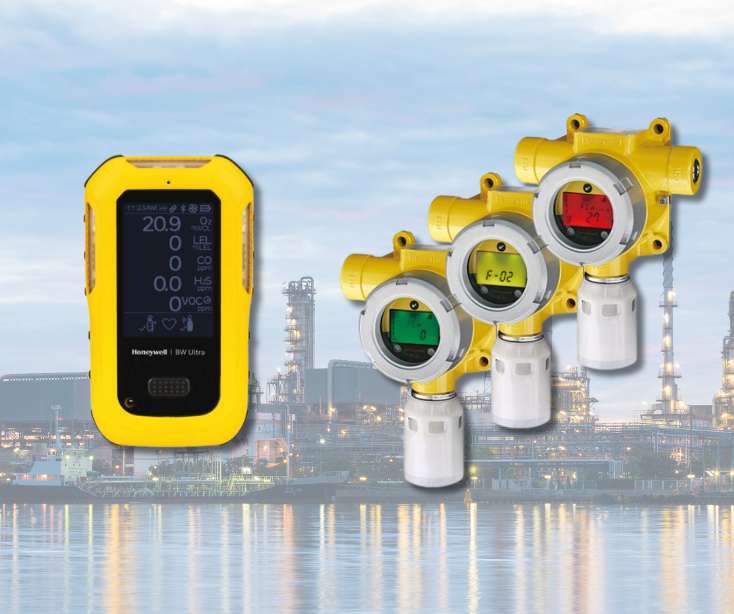
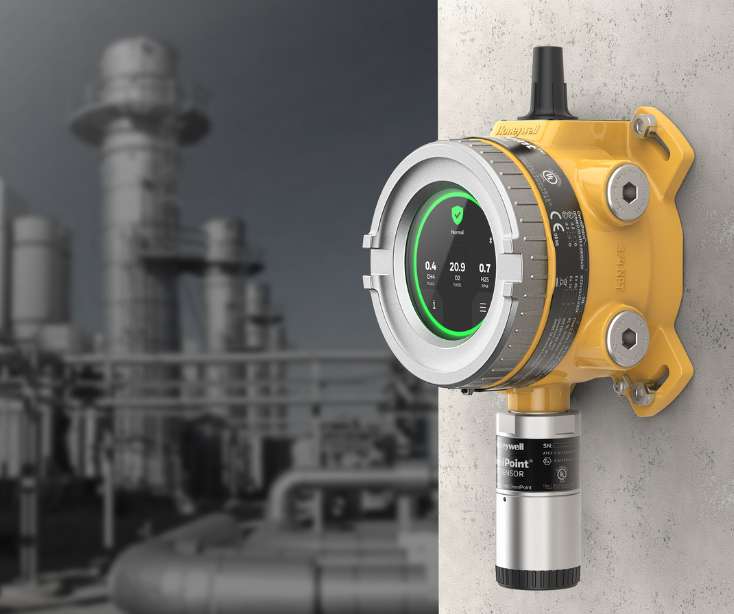
Gas detection plays a crucial role in protecting workers, equipment, and facilities. Also, it's essential for meeting occupational health and safety obligations.
Installing detectors correctly is more than a precaution. It's a fundamental requirement for legal and regulatory adherence.
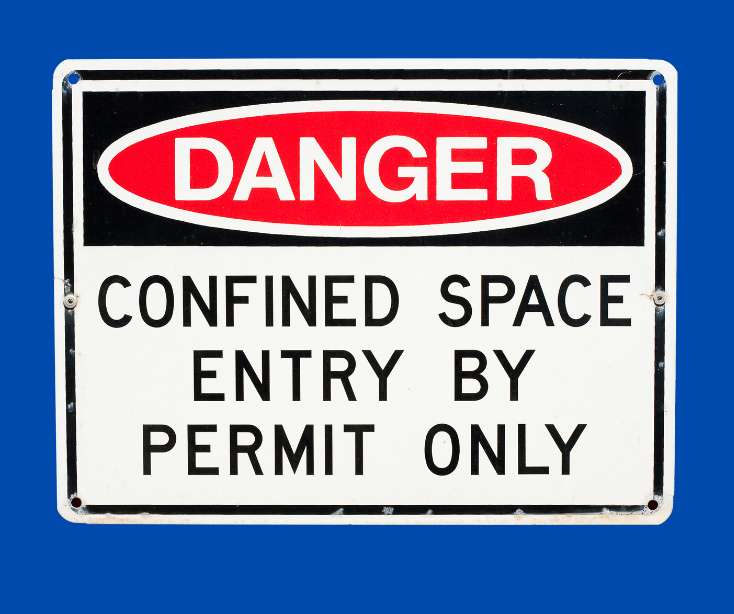
Your team is working diligently in a confined space, a processing plant or a wastewater treatment facility. They rely on their gas detectors for protection against unseen hazards, like carbon monoxide or hydrogen sulphide.
Every year in Australia, falls from heights are a tragic cause of serious injuries and fatalities in the workplace. Safe Work Australia data consistently shows falls as one of the leading causes of serious injury claims.
The number of individuals engaged in lone working across various sectors is steadily increasing. From field service technicians and healthcare professionals to security personnel and construction workers, a significant portion of the global workforce now operates independently. This introduces a unique set of safety challenges that demand proactive and innovative solutions.
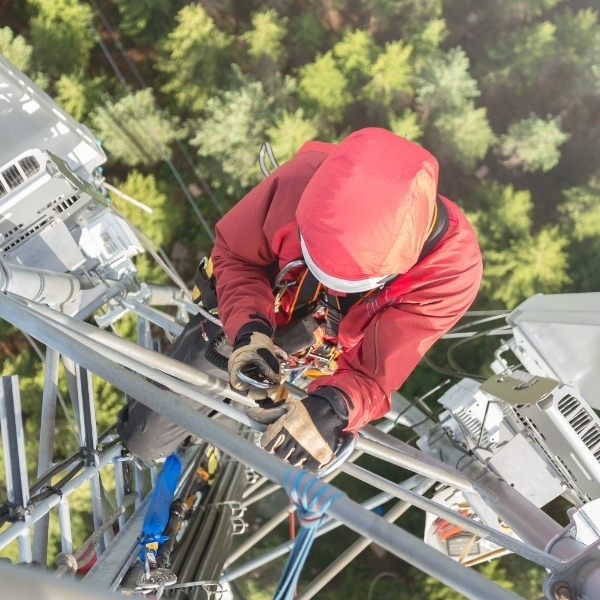
Working at heights is unavoidable in some industries, including construction, telecommunications, maintenance, and warehousing. The risks associated with such tasks are profound and demand an unwavering commitment to safety.
Lone workers are exposed to unique risks that require careful consideration. From remote areas to urban job sites, these workers often operate in environments where immediate assistance may not be readily available, making a structured risk assessment essential.
Whether you manage remote mining sites, manufacturing facilities, or construction sites, conducting a thorough lone worker risk assessment is crucial.
Working at height is one of the most hazardous tasks in the workplace. Without the right working at heights equipment, the risk of serious injury or fatality increases dramatically.
Whether on rooftops, towers, platforms, or construction sites, ensuring the safety of workers operating above ground level is a legal and moral priority.
Every day, thousands of lone workers face similar risks, working in isolation without immediate access to help when things go wrong. The difference between life and death for lone workers often comes down to minutes, sometimes seconds.
Workplace safety for isolated employees isn't just about following regulations. It's about connecting workers to a safety network that never sleeps.
Workplace Health and Safety (WHS) compliance is vital for keeping workers safe and meeting legal responsibilities in Australia. It helps prevent injuries, reduces risks and creates a safer work environment.
In the past two decades (2003 - 2023), work-related fatalities in Australia have dropped from 259 to 200. While this is a welcome decline, there is still room for improvement.
Top 5 Reasons for the Importance of Regular Electrical Safety Equipment Testing.
Pressure gauges are critical components in various industries, from manufacturing and oil & gas to pharmaceuticals, Defence, Aviation and food production. They help ensure that processes are running smoothly and safely by providing real-time pressure data.