
What Is a 4-Gas Monitor? What It Detects: Who Needs One and How to Choose the Right Unit
Undetected atmospheric hazards are behind some of the most serious incidents in confined space and industrial work. Oxygen deficiency, toxic gas build-up and combustible atmospheres can develop with no visible warning, which is why a 4-gas monitor exists. This article covers what a 4-gas monitor detects, who needs one, how to choose between models and why calibration matters as much as the purchase decision, for safety managers, HSE coordinators and procurement leads evaluating or renewing a gas detection programme.
What a 4-gas monitor detects
The four gases are oxygen (O2), carbon monoxide (CO), hydrogen sulphide (H2S) and combustible or flammable gases, expressed as a percentage of the Lower Explosive Limit (%LEL). This fixed combination covers the atmospheric hazards most common on industrial and confined space sites. Oxygen sensors flag oxygen-deficient atmospheres (a risk in sealed tanks and pits) and oxygen enrichment (a fire risk). CO and H2S are toxic at low concentrations and are common by-products of combustion, decomposition and industrial processes. The %LEL reading covers flammable vapours that present an explosion risk past a set proportion of air.
O2, CO and H2S are typically measured with electrochemical sensors, which react to the target gas and generate a proportional signal. Combustible gas is measured with a catalytic bead or infrared (NDIR) sensor depending on the model. This combination covers the most common hazards on a typical site, not every gas a workplace could produce, so a site with added risks such as ammonia or chlorine needs higher-sensor-count monitoring on top of the standard set.
Manufacturers set alarm thresholds (low and high setpoints) per gas and sensor type, configurable within the device rather than fixed at one industry-wide number. Check setpoints against the specific detector’s manufacturer datasheet, since they vary by sensor, application and the relevant Australian Standard.
Who needs a 4-gas monitor
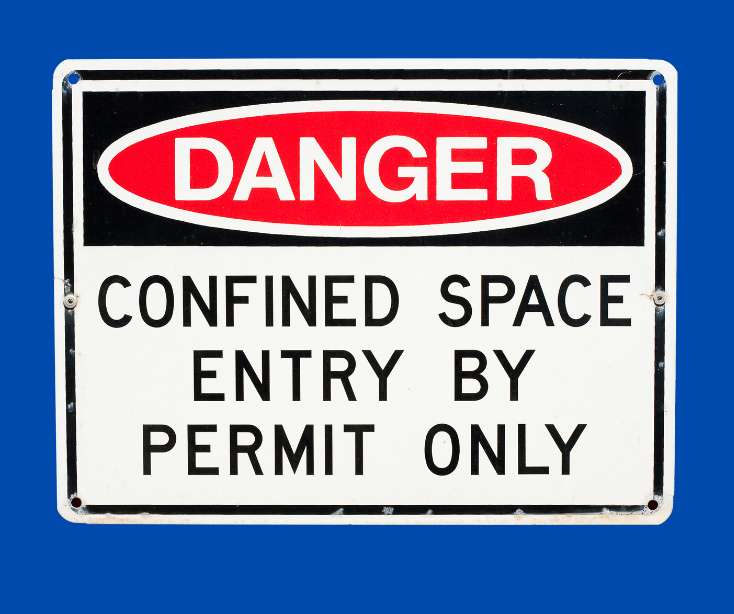
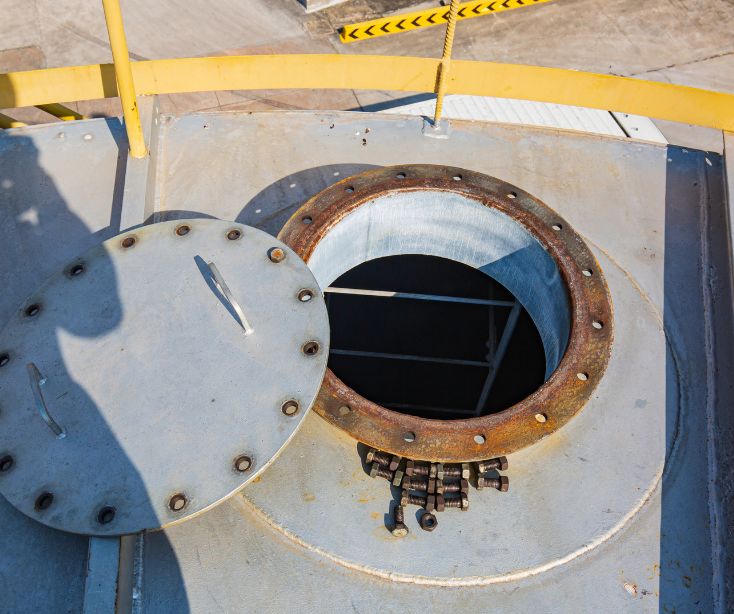
Confined space entry is the clearest use case. Tanks, pits, shafts and tunnels can build up dangerous atmospheres with no ventilation to disperse them, and Safe Work Australia’s Model Code of Practice for Confined Spaces sets out the duty to test the atmosphere before and during entry. A gas monitor is one part of a wider confined space equipment set-up, alongside harnesses and tripods.
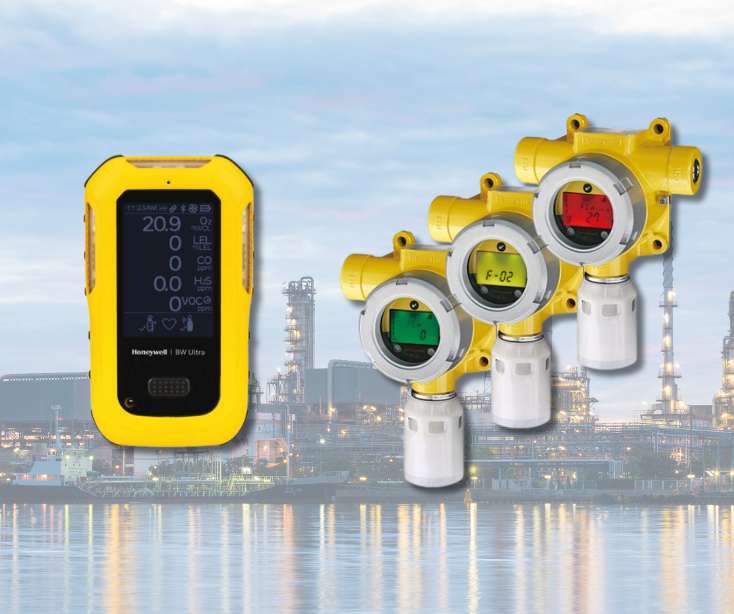
Fixed-plant industrial and manufacturing sites carry the same risk on an ongoing basis, which is why many pair portable detection with fixed gas detection for continuous area monitoring. Construction, mining services and utilities contractors doing excavation, trenching or vault work face comparable exposure any time a worker enters a below-ground or enclosed space.
Choosing the right unit
Diffusion units rely on ambient air movement and are worn on the body for personal monitoring. Pumped (sample-draw) units actively draw air through the sensor, letting a supervisor test a confined space remotely before anyone enters, rather than relying on a reading taken once someone is already inside.
Form factor matters too. A clip-on wearable suits continuous personal monitoring, while a handheld sample-draw unit suits pre-entry and supervisor-led checks. Bluetooth and data-logging are now standard, letting a business pull calibration records and alarm history for compliance instead of a paper logbook.
Not every site needs to stop at four gases. Where added hazards exist, such as ammonia, chlorine or elevated VOC exposure, a 5-gas or higher-sensor unit is the better fit, so a 4-gas monitor should not be sold as a universal answer. Aegis’s range of portable multi-gas detectors includes both 4-sensor and 5-sensor configurations, such as the Honeywell BW Flex 4, so sensor count can be matched to the actual site risk.
Calibration and maintenance
A bump (challenge) test before every shift confirms sensors respond and alarms trigger, taking under a minute. It is not a substitute for full calibration, a precise adjustment against a certified reference gas.
Sensor drift is why calibration cannot be skipped. A drifted detector can power on and appear normal while under-reporting a genuine hazard, turning a safety control into a false-confidence risk. Calibration intervals are set by the manufacturer and vary by sensor, so check the specific unit rather than assuming a fixed schedule.
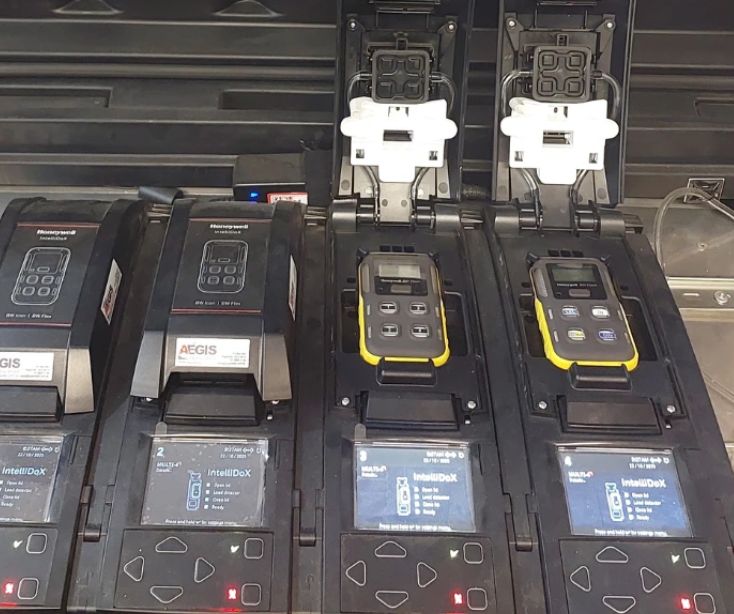
This is where detection and maintenance become one ongoing programme, not a single purchase. Aegis is a tier 1 service facility for Honeywell BW portable gas detectors and also services other major gas-detection brands, running workshop and onsite calibration so a fleet stays within specification.
FAQ
What does a 4-gas monitor test for? Oxygen (O2), carbon monoxide (CO), hydrogen sulphide (H2S) and combustible gases (%LEL), the four atmospheric hazards most common in confined space and industrial environments.
What is the purpose of a 4-gas monitor? It provides atmospheric testing so a worker or supervisor can detect a hazard before it becomes a safety incident, both before confined space entry and during ongoing work.
How often do 4-gas monitors need to be calibrated? Calibration frequency is set by the manufacturer and varies by sensor and device, so check the specific unit’s documentation rather than assuming a single interval applies across all models.
What should a 4-gas monitor read (normal vs alarm levels)? Normal readings sit within the manufacturer’s specified operating range for each gas, with low and high alarm setpoints configured per gas and per sensor type against the manufacturer’s specification, rather than a universal figure.
Conclusion
Detecting the standard four gases is only half of a working programme. Calibration is what keeps that detection reliable shift after shift, which is why Aegis treats the two as one continuous service, not a one-off sale. Talk to Aegis about a gas detection and calibration programme suited to your site.