

From 1 December 2026, Australia will move from Workplace Exposure Standards (WES) to Workplace Exposure Limits (WEL) for airborne contaminants.
The current Workplace Exposure Standards (WES) will be replaced by Workplace Exposure Limits (WEL). Safe Work Australia says the change is intended to make it clearer that these values are limits that must not be exceeded, rather than simply recommended “standards”, and to align Australian terminology more closely with international practice. (1)
1. IDENTIFY
Know the airborne contaminants
2. MEASURE
Understand worker exposure
3. CONTROL
Improve controls where required
4. PROTECT
Review respiratory protection
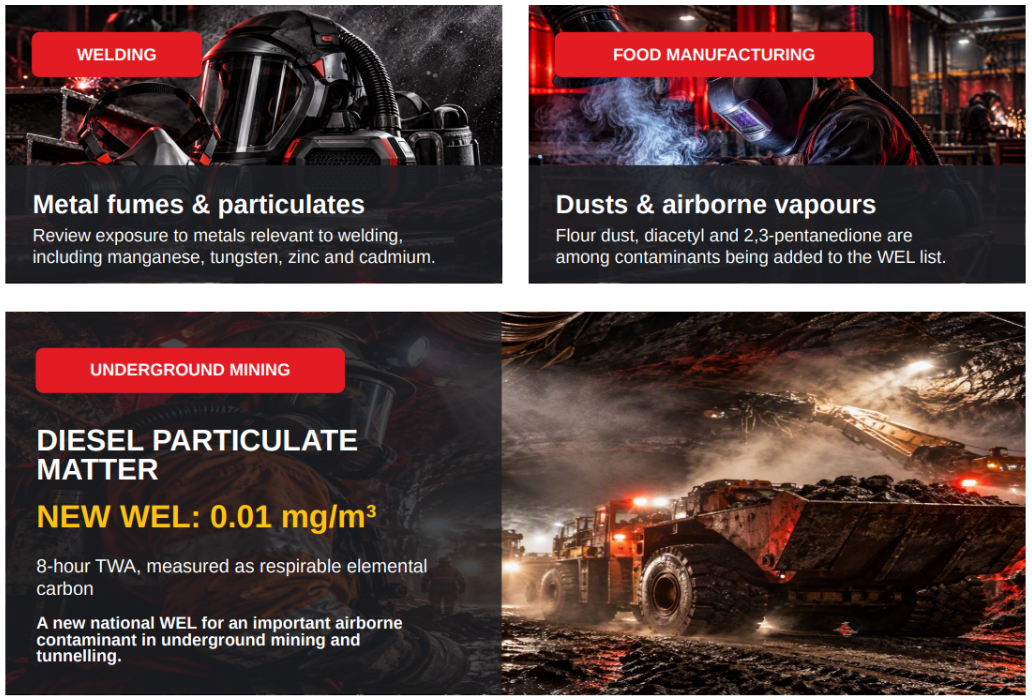
NEW TO THE WEL LIST
Selected airborne contaminants highlighted in the MaxiSafe white paper
CONTAMINANT | 8 HOUR TWA | EXAMPLE APPLICATION |
|---|---|---|
Diesel Particulate Matter (as respirable elemental carbon) Flour (cereal) dust Diacetyl (2) 2,3-Pentanedione 2,4-Pentanedione Polyvinyl chloride (respirable dust) Tungsten, metal and compounds (as W) | 0.01 mg/m³ 0.5 mg/m³ 0.04 mg/m³ 0.083 mg/m³ 102 mg/m³ 1 mg/m³ 3 mg/m³ | Underground mining / tunnelling Grain milling / bakeries Food flavouring / coffee roasting Food flavouring / coffee roasting Automotive spray painting / industrial coatings Plastic fabrication / waste recycling GTAW / TIG welding electrodes |
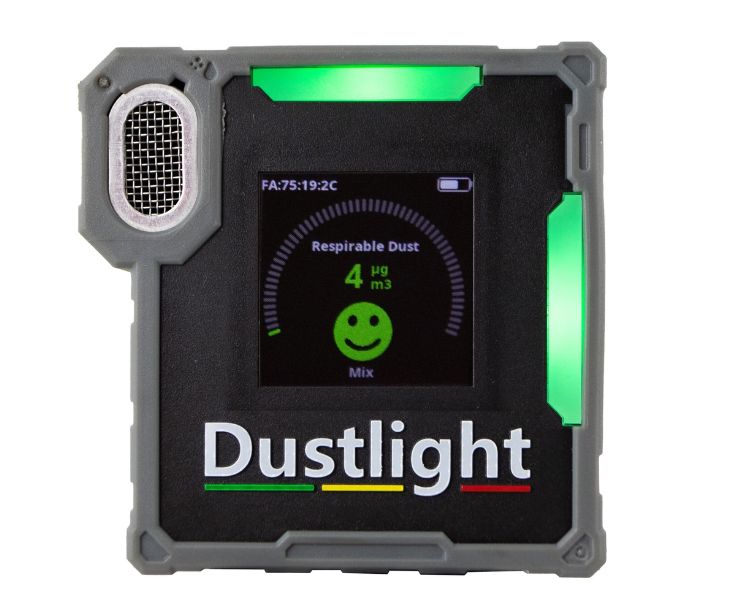
Real-time personal dust monitoring can help identify exposure peaks, trends and changes during tasks. Recognised exposure-assessment methods remain essential for WEL compliance.
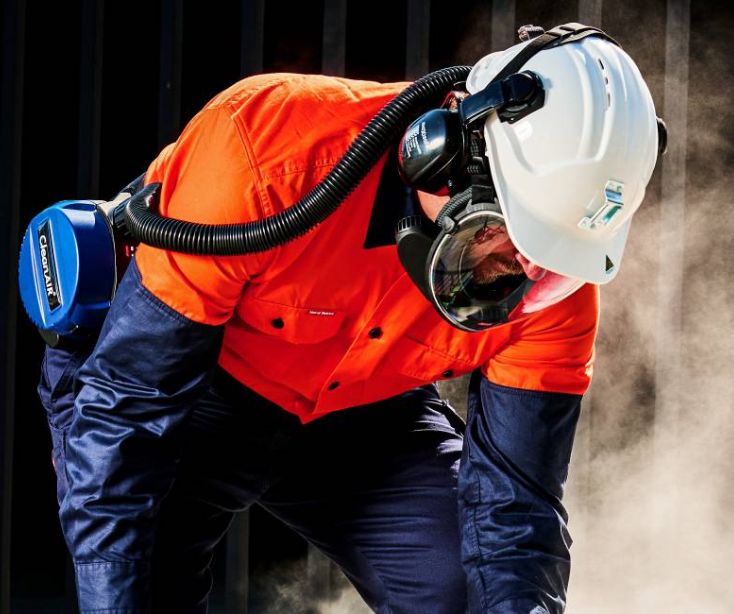
Respirator selection should consider the airborne contaminant, concentration, task, wearer and required level of protection, alongside higher-order controls.
EMAIL US TO GET THE MAXISAFE WES-to-WEL WHITE PAPER Contact Aegis Safety for a copy and start preparing for the 1 December 2026 changes
Aegis Editorial Team
(1) New Workplace exposure limits (WEL) to apply from 1 December 2026
(2) Diacetyl also carries a 0.07 mg/m³ STEL in the white paper table.